

MitoTracker Fluorescent Staining Protocols: Mitochondrial Fluorescent Dye
MitoTracker is a mitochondrial fluorescent probe with cell permeability that can accumulate in active mitochondria and is widely used for specific fluorescent staining of mitochondria in live cells. Traditional fluorescent dyes such as tetramethylrosamine and rhodamine 123 can also accumulate in active mitochondria; however, they are easily washed out when the mitochondrial membrane potential is lost. Some MitoTracker dyes contain a mildly thiol-reactive chloromethyl moiety, allowing them to be retained within mitochondria even after the loss of membrane potential. This property makes them compatible with aldehyde fixation and suitable for downstream applications such as immunocytochemistry or in situ hybridization.
Molecular Structure of MitoTracker
The molecular structure of MitoTracker Green FM belongs to lipophilic cationic carbocyanine dyes, featuring an extended conjugated aromatic system that enables maximum absorption at approximately 490 nm and emission of green fluorescence at 516 nm. The molecule contains multiple chlorine substituents, including a mildly thiol-reactive chloromethyl functional group. This group can form covalent bonds with cysteine thiol groups in mitochondrial proteins, thereby anchoring the dye within mitochondria once it enters. MitoTracker Green is overall a hydrophobic cation, and its delocalized positive charge facilitates its transmembrane accumulation in the negatively charged mitochondrial matrix.
In contrast, MitoTracker Red and Orange probes belong to the rosamine dye family, which are derivatives of rhodamine. For example, MitoTracker Orange CMTMRos is a chloromethyl derivative of tetramethylrosamine, while MitoTracker Red CMXRos is derived from the X-rosamine structure. These rhodamine-based dyes also contain aromatic cationic structures and chloromethyl groups. Differences in chromophore structures lead to distinct spectral properties: MitoTracker Green exhibits excitation/emission peaks at approximately 490/516 nm (bright green fluorescence); MitoTracker Orange at 554/576 nm and MitoTracker Red CMXRos at 579/599 nm (orange-red range); MitoTracker Red FM emits deeper red fluorescence (581/644 nm); and MitoTracker Deep Red FM is excited at 644 nm with emission at 665 nm in the far-red region.
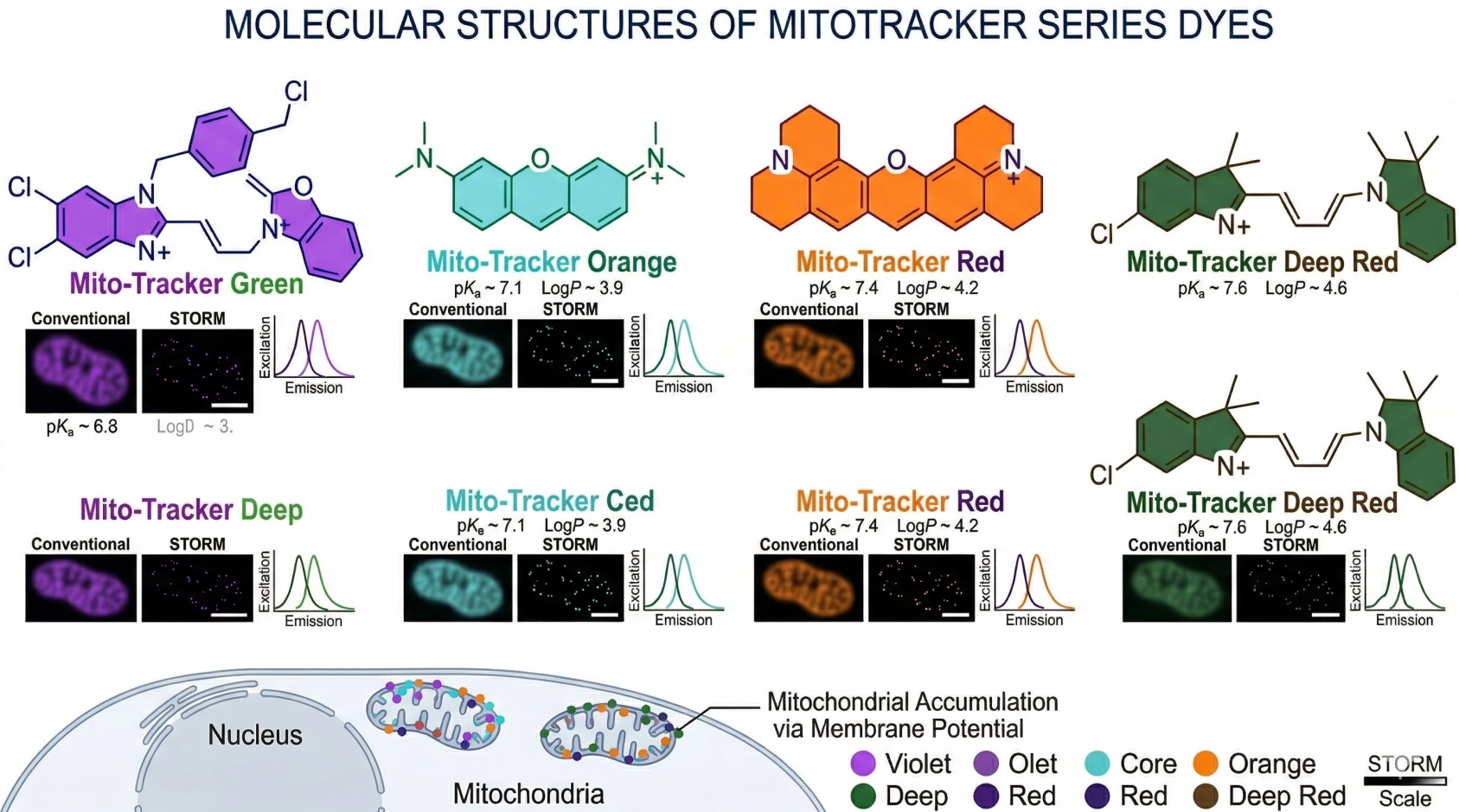 Fig. 1. A comparative overview of molecular structure, properties, and imaging for MitoTracker dyes (BOC Sciences Authorized).
It is noteworthy that MitoTracker Green FM is essentially non-fluorescent in aqueous solution and only emits strong fluorescence upon accumulation in the hydrophobic mitochondrial environment, resulting in extremely low background signal. Compared with traditional mitochondrial dyes such as Rhodamine 123, it exhibits higher photostability and produces brighter mitochondrial-specific signals at lower concentrations. Its emission peak is slightly blue-shifted (approximately 10 nm), which facilitates spectral separation from red fluorescent probes. In contrast, rosamine-based MitoTracker Red/Orange dyes are generally more dependent on membrane potential, but their signals are better retained after cell fixation.
Mechanism of Action of MitoTracker Staining
MitoTracker Green and related mitochondrial probes possess lipophilic cationic properties, enabling them to readily cross the plasma membrane and enter cells. Within mitochondria, the inner membrane maintains a negative membrane potential of approximately -150 mV, which creates an electrochemical gradient that strongly attracts cationic dyes, leading to their accumulation in mitochondrial regions. Traditional mitochondrial membrane potential probes, such as Rhodamine 123, rely on this mechanism, and their fluorescence intensity is typically positively correlated with membrane potential. However, MitoTracker Green FM exhibits distinct characteristics. In some cell types, its accumulation is not strictly dependent on membrane potential, and it can still effectively label mitochondria even under depolarized conditions. This behavior may be attributed to its high hydrophobicity, allowing it to embed within the mitochondrial lipid bilayer and emit fluorescence directly in a hydrophobic environment without requiring potential-driven uptake or enzymatic activation. As a result, it tends to reflect overall mitochondrial mass rather than functional status.
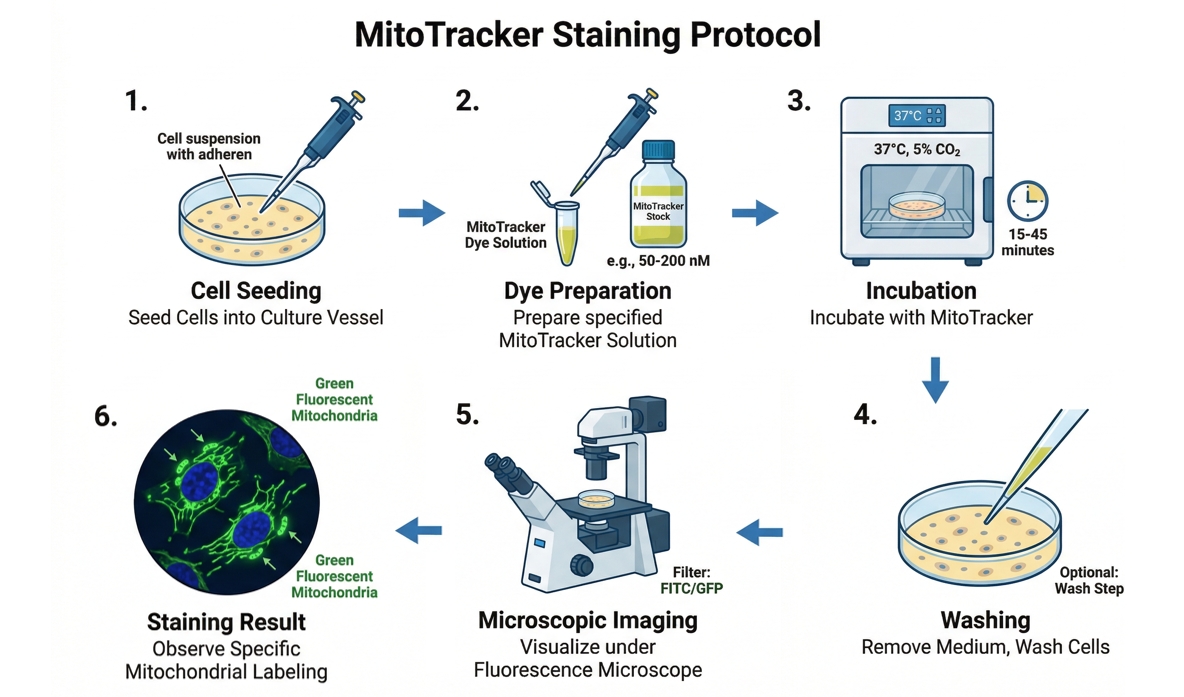 Fig. 2. Step-by-step workflow of the standard MitoTracker cell staining protocol (BOC Sciences Authorized).
After entering mitochondria, MitoTracker probes typically form stable covalent bonds with thiol groups via their chloromethyl functional groups. The mitochondrial matrix is rich in glutathione and thiol-containing proteins, particularly cysteine residues, which serve as reactive sites for alkylation, forming stable thioether bonds. This covalent binding mechanism anchors the dye within mitochondria, ensuring that fluorescence signals remain stable even after loss of membrane potential or during fixation and permeabilization steps, thereby improving imaging reliability and reproducibility.
Staining Procedure of MitoTracker
1. Preparation and Storage
- MitoTracker Green and related probes are typically supplied as lyophilized powders (50 μg per vial).
- Before use, dissolve in high-quality anhydrous DMSO (e.g., add 74.4 µL DMSO to prepare a 1 mM stock solution).
- Aliquot the stock solution, store at -20℃ protected from light, and avoid repeated freeze-thaw cycles. It is generally recommended to use within 2 weeks.
- Solid dye can be stored at -20℃ in the dark and dry conditions for more than six months.
- Note: Solid dye is stable for over six months under -20℃, light-protected, and dry conditions. Working solutions should be freshly prepared by diluting the stock solution directly into standard cell culture medium. To reduce background autofluorescence, phenol red-free medium is recommended during staining.
- Staining concentration: MitoTracker dyes have high affinity and are typically effective at nanomolar concentrations. A working range of 50–200 nM is commonly used, depending on cell type and probe, and should generally not exceed 0.5 µM.
- Staining time: Incubation at 37℃ is optimal, typically for 15–30 minutes. In most cases, 30 minutes is sufficient for stable mitochondrial labeling. For metabolically active or mitochondria-rich cells, fluorescence may be observed within 5–10 minutes, and incubation time can be adjusted accordingly to avoid excessive accumulation.
2. Incubation and Washing
- Add an appropriate amount of MitoTracker working solution to the cell culture medium, mix gently, and incubate at 37℃.
- For adherent cells, replace the medium with dye-containing medium directly; for suspension cells, centrifuge and resuspend in the working solution before incubation.
- After incubation, for live-cell imaging, low-background dyes such as MitoTracker Green can be observed directly without washing.
- If fixation is required, proceed directly to fixation after incubation without prolonged washing to prevent dye loss due to membrane potential dissipation.
- For fixable probes (e.g., CMXRos, CMTMRos, Deep Red FM), fixation with 4% paraformaldehyde at room temperature for 10–30 minutes is recommended.
- After fixation, cells can be washed with PBS and subjected to downstream applications such as antibody staining. These dyes typically retain mitochondrial localization after mild permeabilization (e.g., 0.1% Triton X-100).
3. Instrument Setup and Detection
This table summarizes the excitation and emission characteristics of widely used MitoTracker dyes, including recommended laser lines, alternative excitation options, emission wavelengths, and common detection channels for fluorescence microscopy. These settings provide guidance for optimal imaging and minimize spectral overlap in multicolor experiments.
| Dye Type | Excitation Peak / Laser | Alternative Excitation | Emission Wavelength | Common Detection Channel |
|---|---|---|---|---|
| MitoTracker Green | 490 nm | 488 nm laser / filter | 516 nm | FITC channel |
| MitoTracker Orange (CMXRos) | 561 nm | 488 nm partial excitation | 576 nm | RITC/TRITC or Cy3 channel |
| MitoTracker Red (CMXRos) | 561 nm | 488 nm partial excitation | 599 nm | RITC/TRITC or Cy3 channel |
| MitoTracker Red FM | 568 nm | — | >620 nm | Red channel |
| MitoTracker Deep Red | 633–647 nm infrared laser | — | 665 nm | Cy5 channel |
Table 1. Excitation and emission settings for common mitotracker dyes.
For flow cytometry, MitoTracker Green is compatible with a 488 nm laser and the standard FITC detection channel. Orange- and red-emitting MitoTracker dyes can be excited using a 561 nm laser (if available) or partially by a 488 nm laser, and detected in the PE or PE-Texas Red channels. Deep red probes are used with a 640 nm laser and detected in the APC channel. Compensation should be adjusted according to the spectral properties of the dyes, especially in multicolor experiments to avoid channel crosstalk. Notably, the fluorescence of MitoTracker Red/Orange is well separated from commonly used green fluorophores such as GFP or FITC, facilitating multiplex labeling. The fluorescence of Deep Red is also far removed from most visible-range fluorophores, resulting in minimal spectral overlap. However, MitoTracker Green emits in the standard green channel; therefore, when cells express GFP or are stained with green dyes, careful distinction or selection of alternative-colored MitoTracker probes is required.
Usage Considerations of MitoTracker
- Storage and Stability: MitoTracker dyes are sensitive to light and temperature and should be handled under light-protected conditions. Unused DMSO stock solutions should be sealed and stored at -20℃, avoiding repeated freeze-thaw cycles to prevent fluorophore degradation. The dyes should not be mixed with strong oxidizing or reducing agents to avoid premature chemical reactions. Minor variations in molar extinction coefficients may occur between batches; therefore, for quantitative experiments or cross-batch comparisons, it is recommended to use the same batch or recalibrate with a standard curve to ensure data accuracy.
- Cytotoxicity: At low concentrations, MitoTracker dyes exhibit low cytotoxicity; however, high concentrations or prolonged staining may affect cell viability. Studies have shown that cells, particularly neurons, may undergo apoptosis if cultured overnight after staining, primarily due to dye toxicity rather than signal loss. MitoTracker is best suited for "stain-and-image" experiments. For long-term live imaging, dye concentration and excitation intensity should be minimized, exposure time reduced, and antioxidant media may be used to mitigate phototoxicity and chemical toxicity.
- Membrane Potential Dependence: MitoTracker dyes vary in their dependence on mitochondrial membrane potential. MitoTracker Green is generally independent of membrane potential and primarily reflects mitochondrial mass, making it unsuitable for dynamic membrane potential measurements. In contrast, Red and Orange dyes are membrane potential-dependent, and their fluorescence can indirectly reflect membrane potential, provided mitochondrial mass remains constant. A common approach is to combine a membrane potential-dependent red dye with a potential-independent green dye to normalize mitochondrial content and improve accuracy.
- Staining Uniformity and Background: To achieve clear and uniform mitochondrial staining, dye concentration and incubation time must be carefully controlled. Excess dye may increase nonspecific background and obscure functional differences between mitochondria. It is recommended to determine the minimal effective concentration through titration and optimize incubation time. Prolonged incubation may lead to dye retention in the nucleus or lipid droplets. Signal-to-noise ratio can be improved by increasing washing steps, shortening incubation time, or performing low-temperature staining (e.g., 4℃). Background signals can also be minimized by applying thresholds during image analysis.
- Multiplex Staining Compatibility: In multicolor experiments, fluorescence channels should be carefully planned to avoid spectral overlap. MitoTracker Green overlaps with GFP, FITC, and Alexa Fluor 488, and should not be used simultaneously unless spectral unmixing is applied. Alternatively, Red or Deep Red probes can be used to shift mitochondrial signals to longer wavelengths. When red or far-red probes are present, MitoTracker dyes with similar emission should be avoided. Blue dyes such as DAPI or Hoechst 33342 are generally compatible with all MitoTracker probes. For multi-organelle labeling or functional assays in live cells, combinations with distinct spectra (e.g., green MitoTracker with red LysoTracker, or red MitoTracker with green DCF-DA or MitoSOX) are recommended to ensure signal separation.
- Compatibility with Other Reagents: During fixation and permeabilization, MitoTracker stability should be considered. Paraformaldehyde fixation has minimal impact on most dyes, but methanol or acetone should be avoided after fixation, especially for MitoTracker Green. If necessary, mitochondrial labeling can be achieved using antibodies or genetically encoded probes. Low concentrations of Triton X-100 or saponin have minimal effects, whereas high concentrations or prolonged treatment may cause dye loss. In multidrug-resistant cells, P-glycoprotein may reduce dye accumulation; this can be mitigated by using inhibitors or alternative probes. Strong reducing or oxidizing agents may disrupt dye activity or cause nonspecific signals; therefore, MitoTracker staining should be performed as a separate step.
Limitations of MitoTracker
- Effects on Mitochondrial Function: Although MitoTracker dyes are designed for minimally invasive labeling, some dyes may affect mitochondrial function under certain conditions. For example, MitoTracker Orange CMTMRos can inhibit respiratory chain complex I and induce mitochondrial permeability transition, leading to depolarization and swelling. MitoTracker Red and Deep Red may act as photosensitizers under strong illumination, generating reactive oxygen species and damaging mitochondria. Early studies showed that CMXRos can induce phototoxic effects under microscopy, producing hydroxyl radicals and triggering apoptosis. Therefore, excitation intensity should be minimized, and these dyes should not be used for precise functional measurements such as respiration or dynamic membrane potential analysis. For real-time membrane potential studies, dedicated probes such as TMRM or JC-1 are recommended.
- Cell Type Applicability: MitoTracker is primarily used for live eukaryotic cells and is not applicable to cells lacking mitochondria (e.g., mature red blood cells). It effectively labels mitochondrial networks in most mammalian cells and yeast. However, in cells with high efflux pump activity or in tissues, dye uptake may be limited. In intact tissues, penetration is often restricted, resulting in labeling of only surface cells. In fixed cells, loss of membrane potential prevents selective accumulation, so staining should be performed prior to fixation.
- Limitations in Long-Term Imaging: MitoTracker dyes are not ideal for long-term tracking. Phototoxicity accumulates during repeated imaging, and dye dilution occurs during cell division, reducing fluorescence intensity. Mitochondrial fusion and fission further redistribute the dye. Over extended culture periods, signal attenuation and chronic toxicity may affect results. For long-term studies, genetically encoded mitochondrial fluorescent proteins are recommended, with MitoTracker used only for initial validation.
- Differences in Membrane Potential Dependence: Different MitoTracker dyes exhibit varying dependence on membrane potential. MitoTracker Green is generally suitable for assessing mitochondrial mass, although extreme oxidative stress may still affect its fluorescence. Red and Orange dyes depend on membrane potential and may not accurately reflect mitochondrial quantity when potential changes occur. Therefore, dye selection should be aligned with the experimental objective.
- Role and Boundaries in Mitochondrial Research: MitoTracker dyes provide convenient and intuitive tools for visualizing mitochondria in live cells and assessing morphology and relative abundance. However, they may interfere with function and have limitations in dynamic measurements. Therefore, they are often used in combination with other methods, such as respiration assays, genetically encoded markers, or functional probes, to achieve comprehensive analysis. Their advantages lie in ease of use and clear imaging, while their limitations require careful interpretation of quantitative results and controlled experimental conditions.
Applications of MitoTracker Staining
Mitochondrial Fluorescence Imaging (Live Cells and Fixed Samples)
MitoTracker Green and related probes are primarily used to label mitochondria in live cells, enabling observation of mitochondrial morphology and distribution by fluorescence microscopy. Due to the low background and the fact that imaging can be performed without washing after staining, researchers can directly visualize mitochondrial network structures following incubation with the dye. For samples requiring further processing, the fixable retention property of MitoTracker can be utilized: mitochondria are first stained in live cells, followed by fixation with aldehyde-based fixatives, allowing the mitochondrial fluorescence signal to be largely preserved for subsequent localization studies or antibody co-staining. It should be noted that not all MitoTracker dyes retain their signals equally after fixation. Green FM and Red FM exhibit relatively poor retention in fixed samples and are more suitable for live-cell imaging. In contrast, Orange CMTMRos, Red CMXRos, and Deep Red FM can maintain mitochondrial labeling after aldehyde fixation and even mild permeabilization, making them preferable for experiments requiring fixation, such as immunofluorescence co-staining. In multicolor fluorescence experiments, Red or Deep Red can be used to label mitochondria alongside green probes such as GFP or FITC without spectral overlap. Similarly, MitoTracker Green can be combined with blue nuclear dyes such as DAPI or other probes for multiparametric cellular structure analysis.
Quantitative Analysis of Mitochondrial Content (Mass Analysis and Cell Sorting)
In quantitative analysis of mitochondrial content, MitoTracker Green is commonly used as an indicator of mitochondrial number or "mass" to compare total mitochondrial levels across different cells or treatment conditions. For example, in flow cytometry, the fluorescence intensity of MitoTracker Green can be used to assess the total mitochondrial content of individual cells, which is valuable for studying cellular metabolic states, differentiation, or disease models. Because MitoTracker Green exhibits relatively low dependence on membrane potential, its fluorescence primarily reflects mitochondrial abundance rather than functional status, making it suitable for monitoring mitochondrial biogenesis or large-scale loss. In stem cell and neurodegenerative disease research, MitoTracker Green can also be used for cell sorting, allowing separation of cell subpopulations with high or low mitochondrial content to investigate the relationship between mitochondrial abundance and cellular function or differentiation state. However, it should be noted that certain cell types, such as multidrug-resistant cells with high P-glycoprotein expression, may actively efflux the dye, leading to underestimation of mitochondrial content.
Functional Studies and Detection (Membrane Potential, ROS, and Drug Effects)
MitoTracker dyes are also valuable tools for functional studies. In reactive oxygen species (ROS)-related experiments, certain probes such as MitoTracker Orange CM-H2TMRos and Red CM-H2XRos become fluorescent only after oxidation within mitochondria, enabling selective labeling of metabolically active mitochondria and detection of mitochondrial ROS levels or cell viability. In drug evaluation studies, MitoTracker can be used to monitor changes in mitochondrial membrane potential, morphology, and processes such as autophagy/mitophagy. For example, mitochondrial network fragmentation, aggregation, or lysosomal clearance following drug treatment can be visualized using these dyes. In apoptosis research, MitoTracker Red can be combined with Annexin V to detect early-stage apoptosis associated with mitochondrial membrane potential loss. In addition, co-staining with MitoTracker Green and ROS probes such as MitoSOX Red enables simultaneous visualization of mitochondrial localization and superoxide signals under confocal microscopy, allowing precise determination of whether ROS production originates from mitochondria.
Fluorescent Dyes Recommended for Your Research Project
| Catalog | Name | CAS | Inquiry |
|---|---|---|---|
| A16-0010 | MitoPY1 | 1041634-69-8 | Bulk Inquiry |
| A16-0005 | MitoMark Green I | 201860-17-5 | Bulk Inquiry |
| A16-0007 | MitoMark Red I | 167095-09-2 | Bulk Inquiry |
| A16-0126 | MitoHunt Green | N/A | Bulk Inquiry |
| A16-0085 | MitoHunt Red CM-H2Xros | 167095-08-1 | Bulk Inquiry |
| A16-0132 | MitoHunt Red FM | N/A | Bulk Inquiry |
| A16-0122 | MitoTracker Orange CM-H2TMRos | N/A | Bulk Inquiry |
| A16-0141 | MitoTracker Orange CMTMRos | N/A | Bulk Inquiry |
| A16-0217 | LumiTracker Mito Green FM | N/A | Bulk Inquiry |
| A16-0218 | LumiTracker Mito Red FM | N/A | Bulk Inquiry |
Corporate Profile
BOC Sciences is a specialized supplier of high-quality fluorescent chemicals, dyes, and advanced labeling solutions, dedicated to supporting cutting-edge research in cell biology, biochemistry, and biomedical sciences. With deep expertise in fluorescent probe design, synthesis, and application, BOC Sciences provides reliable reagents for mitochondrial staining, live-cell imaging, and functional analysis. Its portfolio includes a wide range of well-characterized mitochondrial probes such as MitoTracker Green FM, MitoTracker Red CMXRos, MitoTracker Orange CMTMRos, and MitoTracker Deep Red FM, as well as classic dyes like Rhodamine 123 and Tetramethylrhodamine (TMRM). These products are developed and validated to ensure high sensitivity, photostability, and reproducibility, meeting the stringent requirements of both academic and industrial laboratories.
Leveraging strong capabilities in organic synthesis and analytical chemistry, BOC Sciences offers not only off-the-shelf fluorescent reagents but also customized solutions tailored to specific research needs. The company supports clients with probe modification, fluorophore conjugation, and structure optimization to enhance targeting specificity, membrane permeability, or spectral properties. In addition to mitochondrial probes, BOC Sciences provides a comprehensive range of fluorescent tools including nucleic acid dyes, ROS-sensitive probes, membrane potential indicators such as JC-1, and multi-color compatible fluorophores for complex imaging systems. Rigorous quality control, batch-to-batch consistency, and detailed technical documentation ensure that researchers can confidently integrate these reagents into advanced workflows such as live-cell imaging, flow cytometry, and high-content screening.
Beyond product supply, BOC Sciences delivers value-added services designed to accelerate research outcomes and improve experimental reliability. Its technical team offers application guidance, protocol optimization, and compatibility recommendations for multi-parameter fluorescence experiments, including strategies to minimize spectral overlap and phototoxicity. With a strong commitment to innovation and scientific integrity, BOC Sciences continuously expands its fluorescent chemistry platform to address emerging challenges in mitochondrial biology, drug discovery, and cellular analysis. By combining high-performance reagents with expert support, the company positions itself as a trusted partner for researchers seeking precise, reproducible, and scalable fluorescent staining solutions.
Custom Fluorescent Solutions Designed for Your Experiments
- DNA StainingPrecise fluorescent dyes for clear DNA visualization and analysis.
- Lipid StainingFluorescent solutions for effective lipid structure imaging.
- Cell StainingAdvanced staining for detailed cell morphology and analysis.
- Protein StainingHigh-quality staining for accurate protein detection and imaging.
- Bacteria ImagingFluorescent solutions to visualize bacterial structures and activity.
- Cell ImagingVisualize and analyze live or fixed cells using advanced fluorescence.
- Molecular ImagingCutting-edge fluorescent solutions for deep molecular analysis.
- Fluorescence ImagingHigh-resolution imaging solutions for detailed fluorescence studies.
- BioconjugationCustom bioconjugation services for protein, peptide, and dye linking.
- Drug DeliveryTailored fluorescent solutions for efficient drug delivery research.
- Molecular DiagnosticsFluorescent probes and markers for precise molecular diagnostics.
- Flow CytometryFluorescent dyes and reagents for enhanced flow cytometry analysis.
High-Performance Fluorescent Tools for Your Research
- Lysosomal Fluorescent Probes Acidic organelle markers for lysosome tracking.
- Fluorescent Probes Versatile tools for biomolecular and cellular imaging.
- Nuclear Fluorescent Probes DNA-binding dyes for nucleus visualization.
- pH Indicators Fluorescent sensors for intracellular pH monitoring.
- Lipid Fluorescent Probes Dyes for lipid droplets and membranes.
- Nerve Terminal Probes Fluorescent tracers for synaptic activity analysis.
- Golgi Fluorescent Probes Targeted probes for Golgi apparatus visualization.
- Endoplasmic Reticulum Fluorescent Probes ER-targeted dyes for organelle structure analysis.
Explore More Topics
Online Inquiry


